How to Coordinate a Summer Barbecue So It Is Not All on You
By Mel Schembri · Published 2026-07-30 · Hosting
A step-by-step plan for hosting a summer barbecue where the food, the kit, and the effort are shared, and the host gets to enjoy it too.
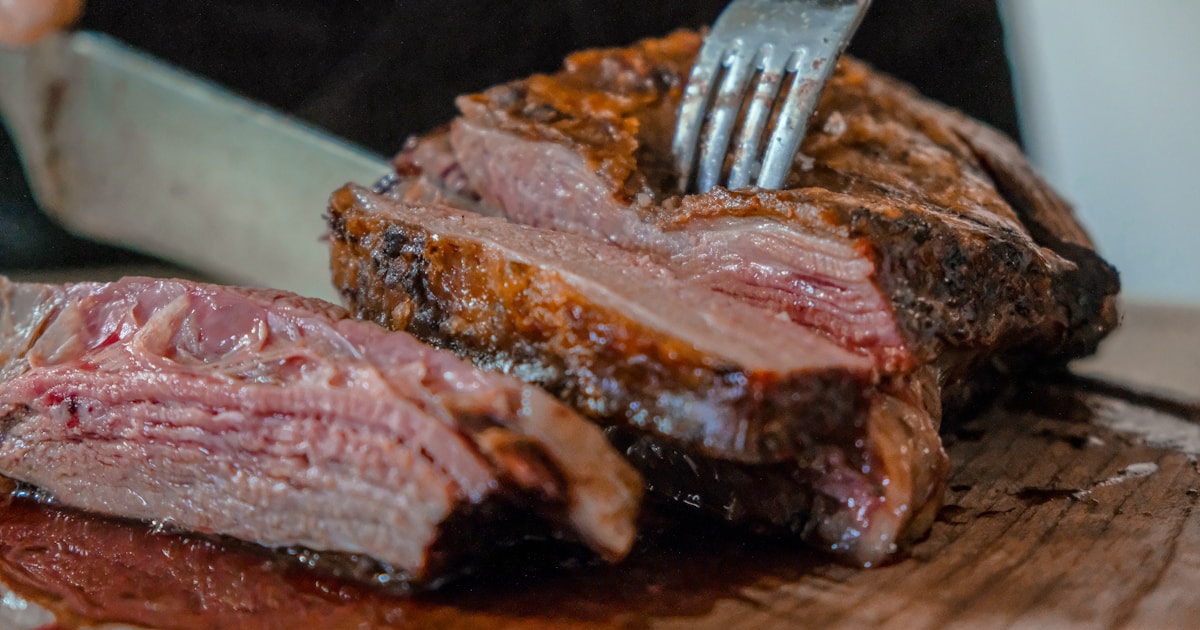
Every summer, the same scene. The host spends the entire barbecue behind the grill, damp with smoke, flipping other people's dinner while the party happens somewhere over their shoulder. At sunset they sit down at last with a burnt sausage, and someone says "great barbecue, mate," and it was, for everyone except them.
I hosted that barbecue for years before I understood the problem. A barbecue is not a dinner party you happen to hold outside. It is a group event pretending to be one person's job, and it stops being miserable the moment you make the group part official. Here is the method I use now, step by step, and it ends with the host in a chair, drink in hand, watching someone else mind the corn.
Step 1: Set the date and get real RSVPs, not vibes
Summer barbecues die by vagueness. "We should do a barbecue while the weather holds" is not an event, it is a mood, and moods do not buy burgers. Pick a date two or three weeks out, and send it as an actual invitation with an actual RSVP, because everything downstream, the shopping, the seating, the amount of ice, depends on a number.
The group chat will give you "sounds fun!" from nine people and firm answers from two. This is why I set ours up as a GetLadle event instead. The Circle gets the invite, people tap yes or no, and I can see a live headcount, including the plus-ones and the kids, without scrolling back through three days of messages. Have a rain plan from the start too, either a fallback date or a "we move inside and grill under the porch" declaration. Announcing it early stops the forecast-watching anxiety spiral in the week before.
Step 2: Decide what the host provides, and hold the line
Write this down somewhere you can see it: you are providing the venue, the grill, and the fire. That is the host's share, and it is plenty. The moment you also assume the meat, the salads, the drinks, the pudding, the ice, and the chairs, you have signed up to cater a small festival alone.
I provide the grill, the charcoal, one signature main because I enjoy it, and the condiments, since forty sauces are the one thing guests never think to bring. Everything else is the group's. Saying this out loud in the invitation matters: "We'll have the grill hot and the marinated chicken on. Everything else is a group effort, claim what you're bringing." Nobody has ever minded. People want to contribute to a barbecue. What they lack is a way to see what is actually needed, which is the next step.
Step 3: Turn "bring something" into claimable slots
Here is where most barbecues go wrong, because "bring whatever!" reliably produces six bags of crisps, four packs of supermarket sausages, and not one green thing. The fix is the same one that saves potlucks: specific, visible claiming. I have written about coordinating a potluck without duplicate dishes, and a barbecue is just a potluck with fire.
List the slots the day needs. Two or three grillable mains beyond yours. A vegetarian main that is a real dish, not a sad forgotten skewer. Three or four proper salads or sides. Bread and buns. Puddings that survive warm weather. Drinks, and more ice than anyone believes is necessary. Then let people claim slots by name. In GetLadle, guests claim actual dishes against the event, often straight from their own recipe libraries, so I can see at a glance that mains are covered, salads are thin, and nobody has claimed ice yet. Because claims link to real recipes, the vegetarians can check what is genuinely coming, and dietary information is sitting at the recipe level instead of in my memory. The gap-chasing that used to take an evening of individual texts is now one glance and one nudge, which is most of the time a coordination app saves you.
Step 4: Share the kit and the jobs, not just the food
Food is only half a barbecue. The other half is stuff and labour, and both can be claimed exactly like a pasta salad. Kit first: folding chairs, a second cool box, a portable speaker, garden games for the kids, bug spray, a spare set of tongs. Add them to the event as claimable items alongside the dishes. Someone always has chairs in a shed. They just need to be asked by name.
Then the jobs, and this is the one that changes the host's afternoon. Assign a second griller, officially, so you can leave the fire without guilt, and agree the handover in advance. Give someone drinks duty, keeping cups filled and the cool box topped. Give a teenager the music. Ask one early-leaver household to own the first wave of clearing up. None of these are impositions. Named jobs make people feel like part of the crew rather than an audience, and in our Circle the same people happily claim the same jobs every year. It has become part of the tradition.
Step 5: Plan quantities from the headcount, then stop worrying
Once RSVPs are in and slots are claimed, the maths gets easy. Two to three grilled items per adult, one per child, a few substantial sides per ten people, and roughly a kilo of ice per guest on a hot day, which sounds mad and never is. Do your own shop two days out, prep anything marinated the night before, and get the fire lit forty five minutes before you want to cook.
The reason this step is short is that the earlier steps did the work. You are shopping for one dish and some condiments, not an army's rations, and you already know what is arriving because the event page shows every claim. Compare that with the old way, where the host over-buys everything defensively because they have no idea what is coming. That uncertainty is the real cost of the group chat method, and killing it is the whole point of running the day through GetLadle, where the RSVP list, the claims, and the gaps sit on one screen. Events are free on every GetLadle tier, so this is not a premium workflow, it is just the sane one.
Step 6: Capture it, thank people, and make it annual
The best barbecues become institutions, and institutions are built by follow-through. That evening, while everyone is glowing, post the photos to the Circle. GetLadle's Gallery keeps them attached to the event, and when someone's smoked chicken thighs were the dish of the day, get the recipe attached too, so next summer nobody is asking "who made those, and can I get the recipe?" A quick thank-you message naming what people brought costs you two minutes and guarantees next year's claims come in faster.
Then, and this is my favourite move, create next year's event while this year's is still warm. Same Circle, same crowd, a date pencilled for next July. A barbecue that happens once is a nice afternoon. One that happens every summer, with the same claimed jobs and the same chicken thighs, is a tradition, and hosting without the stress is what lets you love it for the long haul.
If you are the one who always ends up behind the grill with the burnt sausage, this is your year to retire from solo catering. Set up a free GetLadle account, create the event, list the slots, and let your people carry their share. The fire still needs minding. It just does not always have to be you.
Related reading
- How to coordinate a potluck without duplicate dishes
- How a potluck coordination app actually saves you time
- The best dinner party planning app: host without the stress
Start coordinating your group meals, try GetLadle free. Dish claiming, RSVPs, and unlimited free events. No credit card. Start at getladle.com.
Frequently asked questions
How do I organise a barbecue so I am not doing everything myself?
Decide early that you are providing the venue and the grill, not the entire event, then split everything else into claimable jobs: mains, salads, sides, drinks, ice, chairs, puddings. Let guests claim specific items rather than asking vaguely for help. GetLadle is built for this, guests claim real dishes against the event so you can see gaps at a glance instead of chasing people by text.
How much food do I need for a barbecue?
A reliable rule is two to three main items per adult, one for each child, plus three or four substantial salads or sides for every ten guests. The real trick is knowing your headcount, which is why RSVPs matter more than maths. A GetLadle event collects RSVPs and dish claims in one place, so you can see numbers and coverage before you shop.
What should guests bring to a cookout?
Specific things, claimed in advance. Vague offers produce six bags of crisps and no salad, so ask people to claim an actual dish, drinks, ice, or kit like chairs and a cool box. In GetLadle, guests claim dishes linked to real recipes on the event page, everyone sees what is covered and what is missing, and events are free on every tier.