How to Record Your Grandparents' Recipes Before They Are Gone
By Mel Schembri · Published 2026-07-27 · Family
A step-by-step guide to capturing your grandparents' recipes, the measurements, the stories, the hands, while you still can.
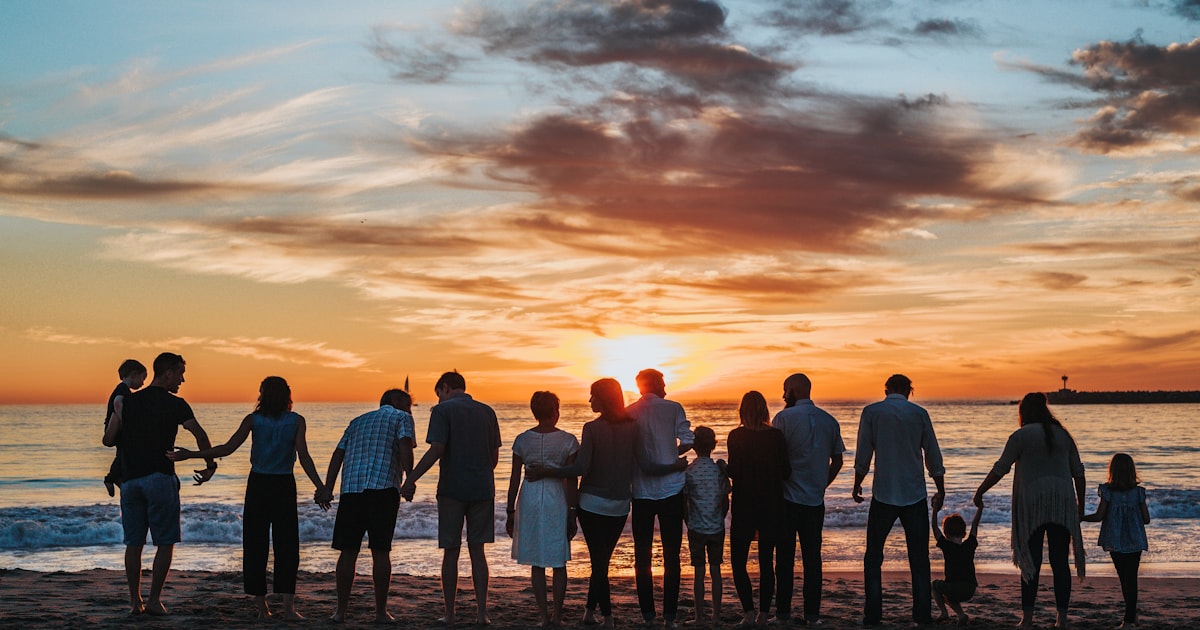
My grandmother's lamb died with her. Not the memory of it, I can still smell it, but the actual ability to make it. We have a version. It is close. It is not hers, and everyone at the table knows it, and nobody says so.
I have written before about sharing family recipes across generations, and that guide covers the whole family archive. This one is narrower and more urgent. This is about your grandparents specifically, the people whose recipes are oldest, least written down, and running out of time. If you have a nan, a nonna, a dadi, a grandpa who makes the thing, this is the job to do this year, not someday. Here is how I would do it, step by step.
Step 1: Make the list of dishes that actually matter
Start by writing down every dish you would genuinely grieve, the ones that mean Christmas or Eid or Sunday, the ones only they make properly. Do it with your siblings and cousins in a group message tonight, because everyone remembers different dishes and your cousin will name one you had completely forgotten. Aim for a list of five to ten, then rank them by two things: how much the dish matters, and how likely it is to be lost. The soup nobody else can make ranks above the biscuits that came off a flour packet.
This list is your project plan. Without it, you will capture whatever they happen to cook next visit, which is how families end up with three recorded versions of the easy thing and none of the important one. I keep our list pinned in our family Circle on GetLadle so everyone can see what is captured and what is still owed.
Step 2: Book real cooking dates, not vague intentions
"You'll have to show me how you make that sometime" is where recipes go to die. Phone your grandparent and book an actual date to cook the number one dish together, and put it in the calendar like a doctor's appointment, because it is roughly that important.
A few practical notes from doing this with my own family. Go to their kitchen, not yours, because the recipe lives in that oven and those pans and that wooden spoon. Allow the whole afternoon, since the cooking will take twice as long with you underfoot and the best stories arrive while things simmer. And frame it as wanting to learn, not wanting to archive them. "Teach me the lamb" lands warmly. "I need to record your recipes before, you know" does not.
Step 3: Measure everything while they cook
This is the heart of the whole method. Grandparents cook in handfuls, glugs, and "until it looks right," so your job on the day is translation. Bring a digital scale and stand beside them with it. Every time a handful of anything goes toward the pot, intercept it, weigh it, write it down, and hand it back. Note the hob setting, the pan they use, and the actual clock time each stage takes, not what they say it takes.
Then capture the knowledge that never fits on a card. Film twenty second clips of the technique moments, how they fold, how thin they roll, what the dough looks like when it is ready. Ask the sensory questions out loud while you film: how do you know when it is done? What should it smell like now? What goes wrong when people get this wrong? That last question is gold. Fifty years of other people's mistakes is the most valuable seasoning in the recipe.
Step 4: Get the story while the pot simmers
The recipe is half of what you are preserving. The other half is where it came from. While things bubble, ask who taught them the dish, where they were living, when it got cooked, and what has changed over the decades. Leave your phone recording voice memos on the counter, with their blessing, and just let them talk.
My grandmother's answers to these questions told me more about her life than any photo album. The curry that changed when they emigrated and half the spices were nowhere to be found. The cake that was invented during rationing and kept its odd substitutions forever. You think you are collecting a recipe. You are actually collecting a biography with quantities.
Step 5: Write it up properly that same evening
Do not sleep on your notes. That evening, while your memory is fresh, turn the scribbles into a real recipe: ingredients with weights, numbered steps, temperatures, timings, servings, and a notes section carrying the stories and the "you'll know it's ready when" wisdom. If they have handwritten cards as well, photograph every one, front and back. GetLadle's photo scan reads a handwritten card and turns it into a structured recipe you can edit, which saves you the transcription slog, though for the from-memory dishes your afternoon of weighing is the only source there will ever be.
Then put it where the family can reach it. A digital family recipe box beats a notebook because it cannot be lost in a house move and it is in every relative's pocket at once. Ours is a GetLadle Circle called The Family, and every recorded recipe goes in with the photos and video clips attached.
Step 6: Cook it back to them
Here is the step that makes it real. Within a month, cook the dish yourself and serve it to your grandparent. This is quality control, because they will tell you immediately and without mercy what you got wrong, and every correction goes straight into the recipe notes. It took me three rounds to get my nan's pastry approved, and the recipe is better each round.
It is also, quietly, the point of the whole exercise. Watching a grandchild cook their dish back to them is a particular kind of joy. When I post the photo to our Circle and tag her recipe with GetLadle's I Made It, the notification goes round the family, and my mum always comments, and for a moment the dish belongs to three generations at once.
Step 7: Widen the net before you run out of time
One grandparent's recipes are a start, not a finish. You likely have two grandmothers, grandfathers who cook, great aunts sitting on entire cuisines. Repeat the process, and recruit cousins to run their own sessions with the relatives near them, because you cannot be in every kitchen. GetLadle's recipe requests help here, a structured nudge that lands better than a text that gets buried, and I have shared how to ask relatives for recipes without the awkward loop before.
If this piece has put one specific dish and one specific person in your mind, that is your assignment. Ring them this week and book the cooking date. If you want the family archive ready to receive what you capture, create a free GetLadle Circle and add the relatives who would grieve those recipes too. The dishes we lose are almost never the ones nobody cared about. They are the ones everybody assumed someone else had written down.
Related reading
- How to share family recipes across generations
- Digital family recipe box: what it is and why you need one
- How to request a recipe from a friend without the awkward text loop
Start your family's recipe archive, try GetLadle free. Private Circles, photo scan for handwritten cards, and room for every story. Start at getladle.com.
Frequently asked questions
How do I record a recipe my grandmother makes from memory?
Cook it with her. Stand beside her, weigh every ingredient as she adds it, note temperatures and timings, and film short clips of the tricky techniques. Write the full recipe up the same evening while it is fresh, then store it somewhere the whole family can reach it, such as a shared GetLadle Circle, rather than in one person's notebook.
What questions should I ask grandparents about their recipes?
Ask where the recipe came from, who taught it to them, when it was cooked, and what they changed over the years. Ask what it smells like when it is ready and how they know when it is done, because that sensory knowledge is the part no card ever captures. Record the answers as recipe notes in GetLadle so the story travels with the dish.
What is the best way to store recorded family recipes?
Somewhere shared, structured, and not dependent on one device. A private family Circle in GetLadle works well because everyone can see and cook the recipes, handwritten cards can be scanned in with photo import, and the collection keeps growing as relatives add their own. A folder on your laptop preserves the data but not the access.