Private Recipe Sharing: What It Means and Why It Matters in 2026
By Mel Schembri · Published 2026-05-02 · Privacy
Public social cooking apps are noisy, invasive, and wrong for most families. Why private recipe sharing is what home cooks actually want, and what to look for.
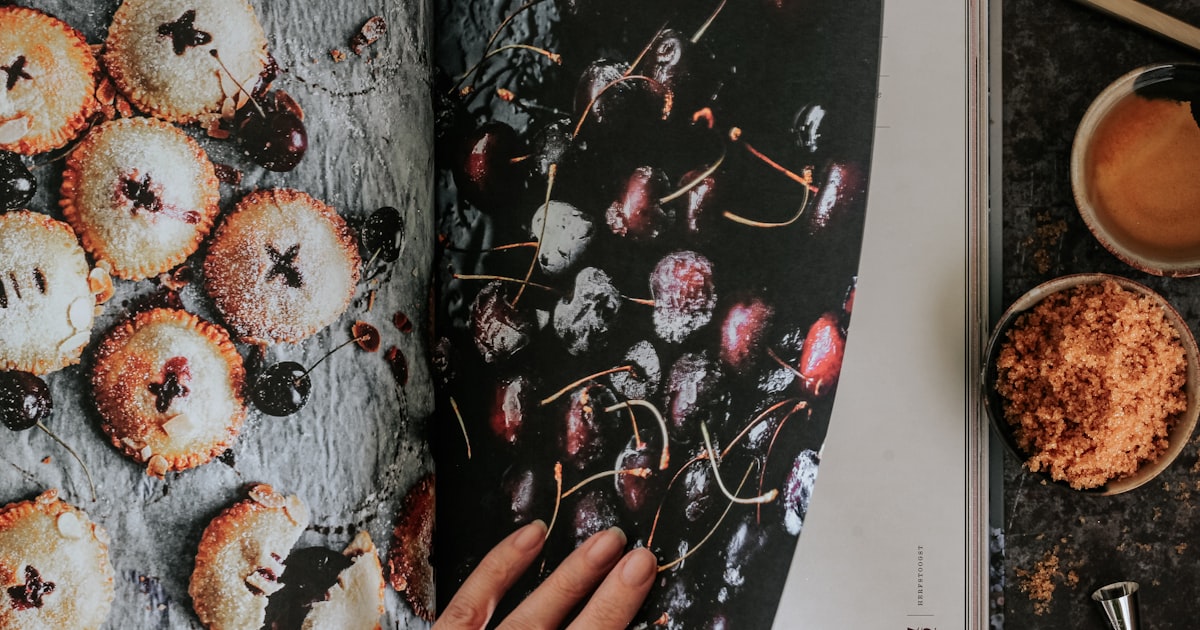
The internet has done a strange thing to cooking. An activity that used to happen in private kitchens, between people who knew each other, has been pushed into public feeds where strangers rate your pavlova and algorithms decide who sees your recipes.
For some people, this works. Food creators who want an audience, home cooks who enjoy the social feedback, young cooks who find community in hashtags. For a lot of other people, especially women aged 28 to 55 who are the food coordinator in their family and community, it is not what they want.
What they want is private recipe sharing. Recipes they can pass to their daughter, their sister, their three close friends, their church committee. Not to the internet. Not to strangers. Not to an algorithm.
This is a guide to what private recipe sharing means in 2026, which apps do it properly, and why it matters more than the marketing for social cooking apps would suggest.
What "private" actually means
Apps throw the word "private" around loosely. Here is the test that matters: can someone who is not explicitly invited see your recipes, your photos, or your activity?
If the answer is yes, even in an aggregated form, even just as a follower count, even as a "people also cooked this" recommendation, it is not private. It is a social feed with privacy controls.
True private recipe sharing means:
- No public profile.
- No discover page that includes your content.
- No algorithmic recommendations that expose your recipes to non-members.
- No "friends of friends" visibility.
- No follower or following system.
- Your content exists only in specific, named groups you have invited specific, named people to.
This is a much narrower definition than most apps use. Most "social" recipe apps fail it on at least three of those criteria.
Why private matters
Five reasons, roughly in order of importance:
1. Family recipes are personal property. Your grandmother's pie recipe is not content. It is inheritance. You decide who gets it. Putting it on a public feed feels wrong because it is wrong.
2. Dietary information is sensitive. If your sister is managing an eating disorder, a celiac diagnosis, or a food allergy, you do not want that information on a platform that could show it to anyone outside the people actively helping her.
3. Children should not be exposed. If you are coordinating snacks for your daughter's sports team, the school PTA, or the church kids' event, you do not want a public record of the kids who attend, their allergies, or the parents' contact info.
4. Strangers' opinions on your cooking are not helpful. The internet has made it possible for any stranger to comment on anything. Most home cooks do not want that. They want feedback from people who know them, their family, their friends, the person they cooked for.
5. The algorithm does not know what is best for you. Public cooking apps optimise for engagement. They show you viral recipes that are designed to be shared, not necessarily recipes that fit your family's actual life. Private sharing lets you build a collection around what your people actually cook.
Which apps are actually private
Paprika. Private by default. It is a single-user app, your recipes are yours. The weakness is you cannot really share with a group. You can export a recipe and send the file, but there is no shared cookbook.
AnyList. Private by default. Good for household sharing (up to six members on the premium plan). No public feed. The weakness is it is grocery-focused, recipes are secondary.
Honeydew. Private by default. Household sharing up to six. No public feed. The weakness is no event layer, no recipe requests, no social features for the people you invite.
GetLadle. Private by default. Multiple private Circles (family, friends, church, team), each with its own invited members and shared cookbook. No public profile, no public feed, no algorithm. The social features (Gallery, "I Made It" posts, recipe requests) exist only inside Circles you invite people to.
Which apps are not private
Pepper. Public social app. Your recipes and activity are visible to other users by default. It is very explicit about this, they call themselves "Instagram for food." Not wrong, just not private.
Cookpad. Public community platform. Recipes are shared globally by default.
Tasty, NYT Cooking, Allrecipes. Publisher apps. You can save recipes but you are not really sharing yours, you are browsing theirs.
TikTok, Instagram. Social networks. Anything you post is part of a public or quasi-public feed.
What to look for
If privacy matters to you, these are the questions to ask before signing up:
- Is there a public profile by default? If yes, it is not private.
- Can people find me via search? If yes, it is not private.
- Can strangers see my recipes, even with privacy controls turned on? If yes, it is not private.
- Who can see my friends list, my followers, my activity? Ideally, nobody outside the groups I have chosen.
- If I delete my account, what happens to my recipes? Good apps give you a clean export. Bad apps keep them indefinitely.
How GetLadle handles this
GetLadle has no public profile, no discover page, no follower system, no algorithm. Your account exists only to participate in Circles.
When you create a Circle, you invite specific people by name. Only those people see the Circle's contents. Recipes saved to a Circle are visible only to Circle members. Events, photos, dish assignments, all Circle-scoped.
If you leave GetLadle, you can export your recipes as a file. Circles you created stay with the remaining members if you leave them. Nothing persists in a public index anywhere.
When public is fine
If you are a food creator building an audience, Pepper or a social platform makes sense. If you are a home cook who enjoys the feedback, same. This article is not arguing everyone should use a private app.
It is arguing that most home cooks, especially the ones doing the food coordination for their family and community, would be better served by a private app than a public one. And that private does not mean solo, you can still share with your people, just without broadcasting.
Related reading
- Best app to share recipes with friends and family
- The best recipe app for groups
- Compare GetLadle to other recipe apps
Try GetLadle free. Private Circles, no public profile, no algorithm. Start at getladle.com.
Frequently asked questions
What is a private recipe sharing app?
A private recipe sharing app keeps your recipes, photos and cooking history visible only to people you invite. No public feeds, no discover pages, no algorithmic recommendations. GetLadle is built around this model: Circles are private, invite-only groups.
Is Pepper a private recipe app?
No. Pepper is a public social cooking app, similar to Instagram for food. Your recipes and activity are visible to other users by default. GetLadle is the private alternative, nothing you save is shared outside the Circles you invite people to.
Can I use a recipe app without making a public profile?
Yes. GetLadle has no public profile. Your account exists only to participate in Circles you are invited to or create. There is no discover page, no follower system, no public feed.