Staying Close to Long-Distance Friends and Family Through Food
By Mel Schembri · Published 2026-08-01 · Community
Distance does not have to shrink a friendship. How shared recipes, parallel cooking, and a GetLadle Circle keep far-away people at your table.
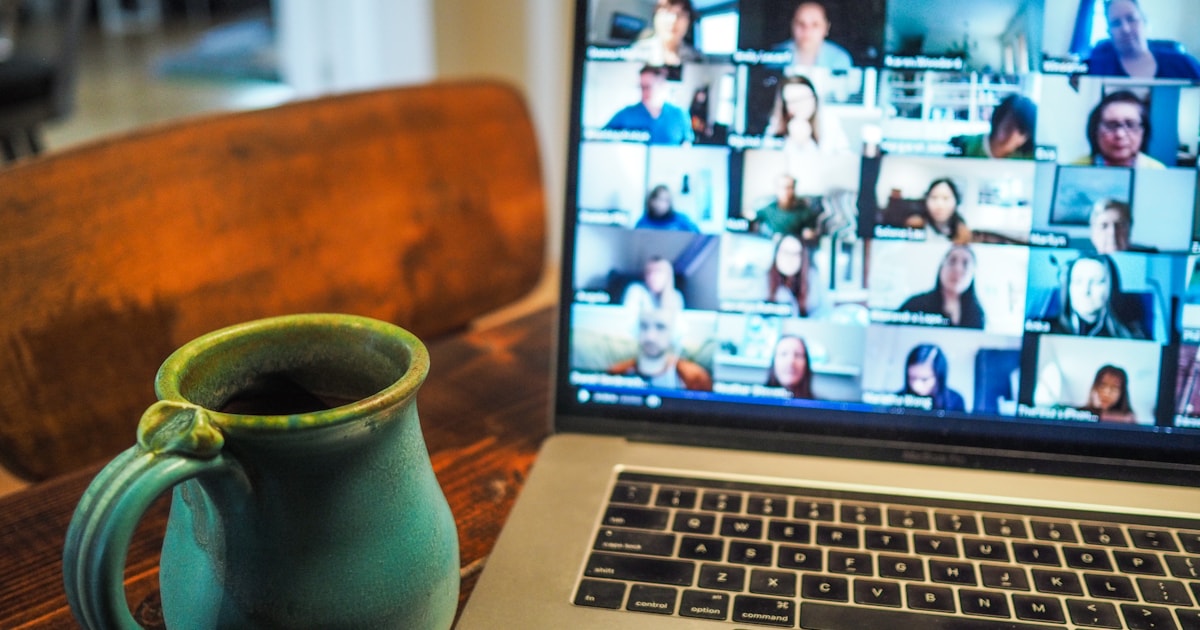
My best friend from school lives in Melbourne. My mother is in Oxford. I am in Toronto with two kids and a kitchen that faces the wrong way for the light. On a map we look like a failed friendship and a scattered family. At the stove, we are none of those things, because for the last few years the three of us have been cooking at each other across nine time zones, and it has kept us closer than any amount of "we should catch up soon" ever did.
I want to talk about that, because I think a lot of people are quietly sad about distance and treating it as a fact of life. The friend who moved for work. The sister on another coast. The parents who stayed home when you emigrated. Video calls help, but a call is a meeting, and nobody's love language is meetings. Food works differently, and it works better.
Why food beats the catch-up call
A catch-up call has an agenda even when it pretends not to. Report the news. Ask about the kids. Say you miss each other. Hang up. It is lovely and also slightly like performing your own life.
Cooking the same food is not a report about your life, it is a piece of your life, happening in parallel. When my mum and I make her onion soup in the same week, we are not describing our days to each other, we are spending them the same way. She texts me that her onions caught slightly. I tell her mine took forever because my hob is feeble. This is the texture of actually living near someone, recreated at distance. Small, specific, unperformed.
The other thing food does is carry memory in a way conversation cannot. A recipe from a person tastes like that person. My friend in Melbourne makes a lemon slice her nan used to make, and when I bake it in Toronto, her nan's kitchen in Adelaide is somehow in my house. You cannot video call your way to that.
The rituals that actually work
Over a few years of doing this, and of watching GetLadle users do it in ways I never predicted, a few patterns keep proving themselves.
The same-dish week. Pick one recipe, everyone cooks it within the same week, everyone shares a photo and a verdict. It is the book club model applied to dinner, and it is far more forgiving than a scheduled simultaneous cook, because Melbourne's Tuesday is nobody else's Tuesday.
The travelling recipe. One person shares a recipe, the next person cooks it and adds their variation, and it moves around the group collecting changes. The version that comes back to you six months later, with someone's chilli oil and someone else's extra lemon, is a group portrait.
The occasion swap. You cook their traditions, they cook yours. My mum now makes a proper Canadian butter tart at Christmas, and I have to make her mince pies, and both of us grumble about it happily, which is the point.
The care package with homework. Someone posts spices, a tin of something, the impossible-to-find biscuit, and the recipe that needs them arrives alongside. The distance becomes an excuse for generosity instead of a barrier to it.
None of these require an app. All of them die without a home. Which brings me to the honest bit.
Where these rituals go to die
Every long-distance food ritual I have ever seen fall apart has failed the same way: logistics. The recipe was in an email someone cannot find. The photos are in a chat thread, buried under three hundred messages about flights. Someone asked "can you send me that recipe again" for the fourth time and felt like a nuisance, a whole small tragedy I have written about before in the awkward recipe request text loop. The ritual did not stop because people stopped caring. It stopped because it had no container.
This is precisely the gap I built GetLadle to fill. A GetLadle Circle is a private group, like a WhatsApp group but built for food, and it turns out to be almost suspiciously well shaped for long-distance people. Everyone in the Circle sees the same recipes, structured properly with ingredients and steps, not as a photo of a stained index card that will vanish into a camera roll. When my friend shares her lemon slice into our Circle, it is there permanently, findable in four seconds, in Toronto and Oxford and Melbourne at once.
The bits of GetLadle I did not design for distance turned out to matter most. When you cook someone's recipe, you post an I Made It photo and they get notified, which means my mum's phone lights up in Oxford at the exact moment her soup comes off my stove in Toronto. Comments sit on the recipe itself, so the argument about whether the slice needs more lemon lives with the slice, not lost in a chat. The Gallery quietly accumulates every photo the group has ever posted, organised by recipe, until one day you scroll it and realise you have been building a shared cookbook of an entire friendship.
And when the distance closes, when someone flies home for Christmas or the whole scattered family lands in one kitchen for a wedding, the same Circle plans the gathering. You create the event in GetLadle, everyone claims a dish, and the recipes you have been trading all year finally get cooked at one table. Events are free on every tier, so the reunion dinner never has a paywall in front of it.
Start smaller than feels worthwhile
If any of this stirs something, resist the urge to launch a grand scheme. Grand schemes fizzle. Instead, do one small thing this week. Send one person one recipe you actually cook, not an aspirational one, and say "make this and tell me how it goes". That is the whole move. If it lands, do it again next month, and let it become the thing you do.
If you want it to survive longer than a chat thread's memory, put it in a GetLadle Circle. Make one called whatever your people would actually call themselves, invite the two or three who are far away, and share that first recipe into it. Passing recipes between generations and across oceans is the same job, and the job is easier when the recipes have somewhere permanent to live. Food has been holding people together for as long as there have been people. Distance is a newer problem, but it is not a stronger one.
My mum's onion soup is on my plan for Thursday. Hers too, once I tell her. If you have a far-away person and a recipe that belongs to both of you, start a Circle free at /signup and send it to them tonight. GetLadle will keep it safe. The rest is just cooking.
Related reading
- How to share family recipes across generations
- How to request a recipe from a friend without the awkward text loop
- The power of food to build community
Start coordinating your group meals, try GetLadle free. One Circle, shared recipes, and free events on every tier. No credit card. Sign up at getladle.com.
Frequently asked questions
How do you stay close to friends who live far away?
Replace vague catch-ups with something small, concrete, and repeated. Cooking the same recipe in the same week, then comparing results, gives a scattered friendship a shared activity instead of just a call. A private GetLadle Circle gives the group one place to keep those recipes and photos, so the ritual has a home and keeps happening.
Can you share recipes with family in another country?
Yes, and it works far better than emailing photos of handwritten cards. In a GetLadle Circle, your family in different countries all see the same structured recipes, add their own, and comment on each other's versions. The collection lives in one permanent place instead of scattered across old messages and inboxes.
How does GetLadle help long-distance friends cook together?
You create a private Circle, invite your far-away people, and everyone shares recipes into it. You can plan a week when everyone cooks the same dish, post an I Made It photo when you cook a friend's recipe so they get notified, and build a shared Gallery of what the group has made. It turns keeping in touch into actually doing something together.