Freezer Meals for Hosting Season: Cook Once in September, Host Calmly Through Christmas
By Mel Schembri · Published 2026-09-04 · Meal Prep
Freezer meal ideas that actually reheat well, which dishes to bank before Thanksgiving and Christmas, how to portion and label them for a crowd, and the two-weekend method for filling a freezer without losing a whole day.
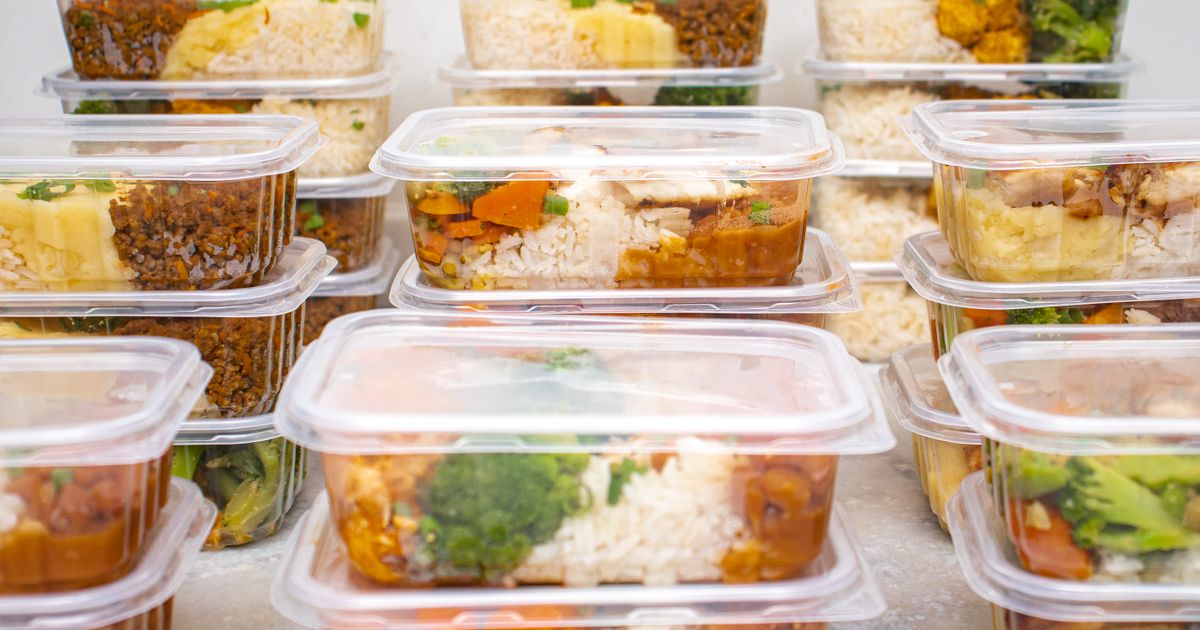
There is a version of hosting season where you cook every dish fresh, on the day, while people are arriving and somebody is asking where the corkscrew is. Most of us have done it. It is not fun and the food is not better for it.
There is another version where the main event was cooked on a wet Sunday in September, sat in the freezer for six weeks, and came out of the oven on the day looking like you had been at it since dawn. Nobody can tell. That is the version this post is about.
The two-weekend method
You do not need a freezer full of forty labelled meals. You need six to eight big dishes that cover the gatherings you know are coming. In Canada that is Thanksgiving in early October, a Friendsgiving or two, and Christmas. In the UK it is a run of Sunday lunches, Bonfire Night, and Christmas.
Weekend one. Two dishes, both big. A braise and a baked pasta, say. Four hours including washing up, most of it waiting.
Weekend two. Two more. A curry or chilli, and a soup or a pie.
That is four dishes across two weekends, portioned into trays of six, which gives you eight trays. Eight trays covers a Thanksgiving side, a Friendsgiving main, a couple of "people are coming over" evenings, and one emergency.
If you want a third weekend, do it in October. If you do not, stop. Four dishes done is better than eight planned.
What actually freezes well
The rule is simple. Wet, slow-cooked, and sauce-based freezes brilliantly. Dry, crisp, or built on an emulsion does not.
Freeze with confidence
- Braises and stews: beef, lamb shoulder, chicken thighs, anything cooked long in liquid
- Ragu, bolognese, chilli, and any minced-meat sauce
- Curries, dals, and bean stews
- Soups, apart from ones finished with cream or egg
- Lasagne, cannelloni, baked ziti, and any pasta bake, frozen before baking or after
- Meatballs in sauce
- Pulled pork and pulled chicken
- Shepherd's pie, cottage pie, fish pie, before the final bake
- Anything in shortcrust or puff pastry, uncooked or cooked
- Mashed potato, oddly. It reheats better than roast
- Bread, rolls, and most cakes without icing
Do not bother
- Cream sauces and anything with a hollandaise or mayonnaise base, they split
- Fried things, they go soft
- Roast potatoes, they lose the crunch and never get it back
- Dishes with raw salad, fresh herbs, or crisp vegetables already mixed in
- Cooked white rice on its own, unless you are happy with a slightly claggy result
The pattern is that the things people want at a gathering, a big braise, a lasagne, a chilli, are exactly the things that freeze best. The things that do not freeze, the salad, the roast potatoes, the bread, are quick to do fresh on the day. That is the whole trick: freeze the slow, make the fast.
Freeze in the size you will serve
The most common mistake is freezing a dish in one enormous container because that is how it was cooked. Then you need to feed six and you are hacking at a frozen brick for twelve.
Portion before freezing, and portion for the occasion:
- Weeknights: trays or tubs of four
- Gatherings: trays of six, and take out two for twelve
- Meal trains and drop-offs: trays of four in foil containers you do not want back
Two six-portion trays reheat faster and more evenly than one twelve. They also let you defrost one and leave the other for the next time. If you are cooking for a specific number, how much food for a crowd has the per-person quantities so you know what a tray of six actually needs to weigh.
Label it like someone else will find it
Because someone else will. Write on the lid, in marker, on tape:
- What it is
- How many it serves
- The date it went in
- The reheating instructions, in one line
"Beef ragu, serves 6, 12 Sep, defrost overnight then 160C covered 40 min" takes fifteen seconds and means anyone in the house can turn it into dinner without asking you. That last line is the one that matters. A freezer full of unlabelled foil parcels is not a plan, it is a lucky dip.
If you use GetLadle's Pantry, add each dish to the Freezer tab as you make it. Check the Freezer tab when you are planning a week or a gathering so you can see what is already done. You will not defrost the lasagne for Tuesday and then discover it was the one you were saving for Saturday.
Reheating without ruining it
Defrost in the fridge, 24 to 36 hours for a full tray. Do not defrost on the counter, and do not defrost in the microwave unless it is a soup you are going to boil anyway.
Reheat covered with foil at 160C. A six-portion tray from fully defrosted takes 35 to 50 minutes to get steaming in the middle. Uncover for the last ten if it has a crumb, cheese, or mash topping.
Soups, stews, and curries can go straight from frozen into a pan on a low heat with a splash of water. Tray-bakes really cannot go from frozen without the edges drying out before the middle is hot. Plan the defrost.
Braises and ragus often taste better after freezing than they did the day they were made. Nobody knows quite why. Take the credit.
Using the freezer bank through hosting season
Thanksgiving. The turkey or main happens on the day. One of your two sides comes from the freezer: a gratin, a baked squash dish, a stuffing. So does dessert, if you froze a crumble base or a pie. That cuts the on-the-day cooking by a third and frees the oven, which is the real constraint.
Friendsgiving. The freezer bank shines here because Friendsgiving is usually a potluck where the host does the main and everyone else brings a dish. Your main, a big braise or a tray of pulled pork, was made in September. You spend the day setting the table.
A random Thursday when people come over. Two trays of chilli, a bag of rice, some cheese, some bread. Nobody expected anything and it looks like a proper dinner.
Meal trains. If a friend has a baby or is unwell in November, you already have a tray of something in a container you do not want back. Drop it off with the label on and the job is done. Meal train meals that actually help covers what to bring and what to skip.
The dishes worth banking
If you only make four this season, make these. They are all wet, all crowd-friendly, and all better the second time.
- A beef or lamb braise. Shoulder or shin, red wine or stock, onions, a long slow oven. Freeze in the liquid.
- A ragu. Big batch, minced beef and pork, the four-hour kind. Freeze in sixes. Becomes lasagne, pasta bakes, or a bowl of pasta on a bad night.
- A chilli or a dal. Both feed a lot of people cheaply and take dietary restrictions well. A vegetarian chilli covers half your table's needs in one tray.
- A pie filling. Chicken and leek, or beef and mushroom. Freeze the filling, put a lid of pastry on it when you bake. The pastry stays crisp because it never went in the freezer.
Making it a plan rather than a hope
The gap between people who have a freezer bank and people who mean to is not skill. It is that the cooking weekend needs to be in the calendar, the shopping needs to be on a list, and the dishes need to be portioned for the events they are for.
GetLadle's Plan and Shop tabs were built for exactly this. Put the four recipes into a plan for the two cooking weekends, and the shopping list builds itself, sorted by aisle and checked against what is already in the pantry. Open Batch Cook for a recipe when you need scaled quantities, then use those calculations to plan how many trays to make. Add the finished trays to Pantry's Freezer tab so you can check what is stored before planning the next week or gathering.
Or write it on a whiteboard. The point is that it exists somewhere other than your head. Meal planning for families has the weekly version of the same idea, and the freezer bank is what makes the weekly version survive November.
Cook slow in September. Host calm in December. That is the whole idea.
Start coordinating your group meals. Try GetLadle free and plan your two cooking weekends with the shopping list built for you.
Frequently asked questions
What meals freeze well for a crowd?
Braises, ragus, curries, chilli, soups, stews, lasagne and other baked pasta, meatballs in sauce, pulled pork and chicken, shepherd's pie and cottage pie, and most things in pastry. Anything wet, slow-cooked, and sauce-based reheats almost indistinguishably from fresh. Avoid dishes built on cream or egg emulsions, fried food, cooked rice with a delicate texture, and anything with raw salad in it.
How far ahead can I freeze food for Thanksgiving or Christmas?
Three months is comfortable for cooked meat and sauce-based dishes in a well-sealed container. That means anything cooked in September is fine for Canadian Thanksgiving in October and Christmas in December. Label the date on the lid and eat the older ones first.
How do I reheat freezer meals for a large group?
Defrost in the fridge for 24 to 36 hours, never on the counter. Reheat covered at 160C until the centre is steaming, usually 35 to 50 minutes for a full tray. Uncover for the last ten minutes if it has a topping. Reheating from frozen works for soups and stews on the hob, but a frozen tray-bake in the oven takes over an hour and dries at the edges.
How many portions should I freeze per dish?
Freeze in the size you will serve, not the size you cooked. A crowd of twelve needs two six-portion trays, not one twelve-portion tray, because two trays reheat faster and more evenly and you only have to defrost what you need. For weeknights, freeze in fours.
Is batch cooking for the freezer worth it if I hate cooking?
It is worth it precisely because you hate cooking. Two long cooking sessions in September replace ten short ones in November, and the ten short ones are the ones that happen at six o'clock with people arriving at seven.