How to Coordinate Christmas Dinner Without Doing It All Yourself
By Mel Schembri · Published 2026-07-21 · Updated 2026-10-13 · Holiday Meals
How to share Christmas dinner across the family: which dishes the host keeps, which can travel, a dish list you can copy, and when to start.
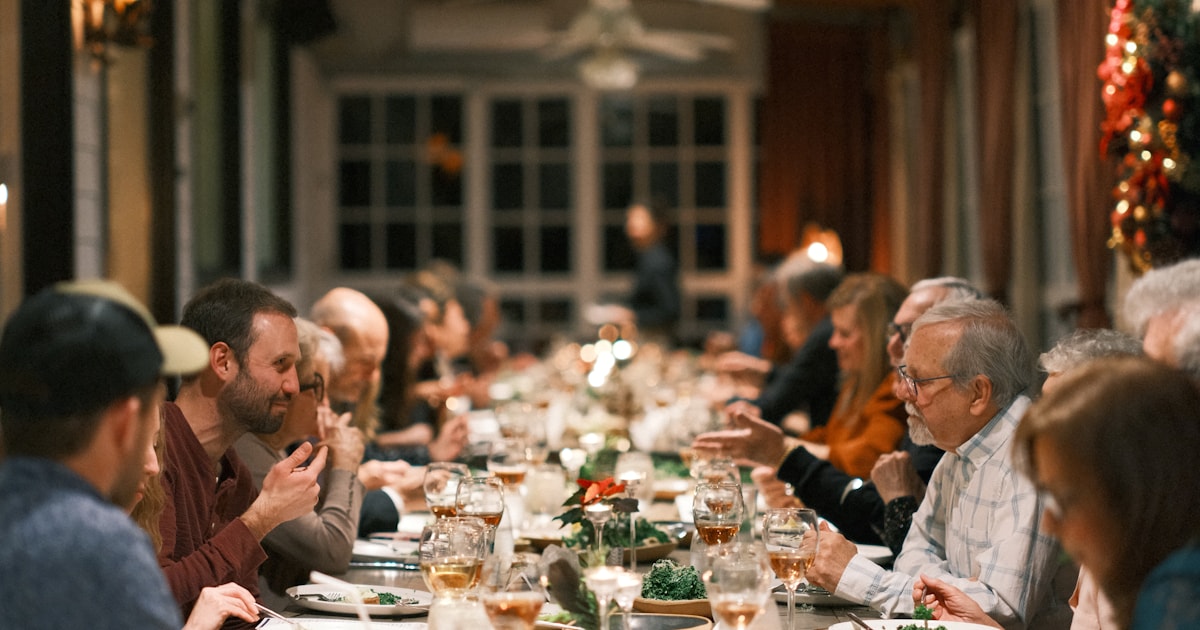
To share Christmas dinner, write down every dish the meal needs, keep the three or four that need your oven on the day, and put the rest on a list where each relative can put their name beside one. Most of a Christmas dinner can be cooked in somebody else's kitchen and carried to yours.
Every family has one person who does Christmas. For years, in my family, that person was my mum. Then for a few years it was me. My family was always willing to help. They could not see what needed doing, because the whole plan was in my head.
What does Christmas dinner actually need?
List everything before you speak to a single relative. A typical dinner runs to fifteen or twenty items:
- the main roast, and a vegetarian main if you need one
- four or five sides
- gravy and two sauces
- a starter
- two desserts
- cheese
- drinks
- the things people forget: ice, napkins, crackers
Include the dull items. They are the easiest to hand over, and nobody's Christmas is spoiled by slightly wrong napkins.
Which dishes should the host keep?
Keep whatever needs your oven in the last two hours. That is the turkey or main roast, and the gravy, which needs the roasting pan.
Nearly everything else can travel. Desserts, red cabbage, starters, cold sides, sauces and cheese boards all arrive in good shape. Roast potatoes can be par-cooked elsewhere and finished at yours if you plan the oven space.
Cooked sides and desserts can also be made early. USDA FSIS guidance is that cooked dishes keep three to four days in the fridge, so anything finished on 22 or 23 December is fine to reheat on the 25th. Health Canada and UK guidance are stricter, at two to three days and 48 hours.
A Christmas dinner dish list you can copy
| Dish | Who | Made where | Needs my oven on the day? |
|---|---|---|---|
| Turkey or main roast | Host | Here | Yes, all morning |
| Gravy | Host | Here | Hob |
| Vegetarian main | |||
| Roast potatoes | 40 minutes to finish | ||
| Stuffing | 30 minutes | ||
| Sprouts or greens | Hob | ||
| Red cabbage | Reheat on hob | ||
| Bread sauce, cranberry sauce | No | ||
| Starter | No | ||
| Christmas pudding or trifle | No | ||
| Second dessert | No | ||
| Cheese board | No | ||
| Drinks, ice, crackers, napkins | No |
Should you assign dishes or let people choose?
Let people choose. A brother who picks the roast potatoes treats them as his. If you hand them to him, he is carrying your potatoes.
The exception is the dishes your family treats as sacred: the stuffing that has to be Nana's recipe, the sauce only your sister gets right. Put those names on the list before you open the rest.
Attach the recipe wherever the version matters. If your mum's stuffing exists only in her head, this is the year to write it down. I have written more about that in how to share family recipes across generations.
When should you start planning Christmas dinner?
- Late November: write the list and share it.
- By the second week of December: every dish has a name beside it. Ask about allergies and diets now. If the niece's nut allergy is on the list, whoever makes dessert will see it before planning a pecan tart.
- A week before: remind each person of their dish by name. "You are bringing the trifle and the cheese board" catches the relative who forgot they offered.
- Two days before: work out the oven. Note which dishes arrive ready, which need reheating and which need finishing, and give each one a time. Ask for reheatable dishes in oven-safe containers.
- Thawing: a frozen turkey needs about 24 hours in the fridge for every 4 to 5 pounds, according to USDA FSIS, so a 16 lb bird comes out of the freezer on 21 December. See the turkey thawing guide.
Where should the list live?
Somewhere every relative can open and nobody has to scroll back through. A list read out over the phone or pasted into the family chat goes out of date within days. Two aunts decide to make the trifle, and nobody notices the vegetarian main has no owner until the 23rd. A shared document fixes that.
This is the reason I built event coordination into GetLadle. You create Christmas dinner as an event in your family Circle, add the dishes and share one link. Relatives claim a dish, it shows as covered for everyone, and the family's dietary needs sit beside the menu. Events are free for up to 25 guests.
If your gathering runs more like a potluck, the same approach works, and there is a full guide to coordinating a potluck without duplicate dishes.
Start your family Christmas list.
Related reading
- How to coordinate a potluck without duplicate dishes
- How to plan Friendsgiving without three days of group chat
- How to share family recipes across generations
Frequently asked questions
How do I get my family to help with Christmas dinner?
Give people specific dishes to own. Write down everything the meal needs, put the list where the whole family can see it, and let each person put their name beside a dish. Vague offers of help turn into contributions once people can see what is still uncovered.
What dishes should the Christmas host keep and what should they hand off?
Keep whatever needs your oven in the last two hours, usually the turkey or main roast and the gravy. Hand off everything that travels: desserts, starters, cold sides, sauces, cheese and drinks.
How far in advance should you plan Christmas dinner with family?
Write the dish list in late November and have every dish claimed by the second week of December. That leaves time for people to shop and for you to fill any gaps.
How far ahead can Christmas dinner dishes be made?
USDA FSIS guidance is that cooked dishes keep three to four days in the fridge, so sides and desserts made on 22 or 23 December are fine to reheat on the 25th. Health Canada and UK guidance are stricter, at two to three days and 48 hours.