How to Start a Sunday Dinner Tradition That Actually Sticks
By Mel Schembri · Published 2026-07-26 · Community
A standing Sunday dinner is the cheapest, oldest way to keep your people close. Here is how to start one that survives past week three.
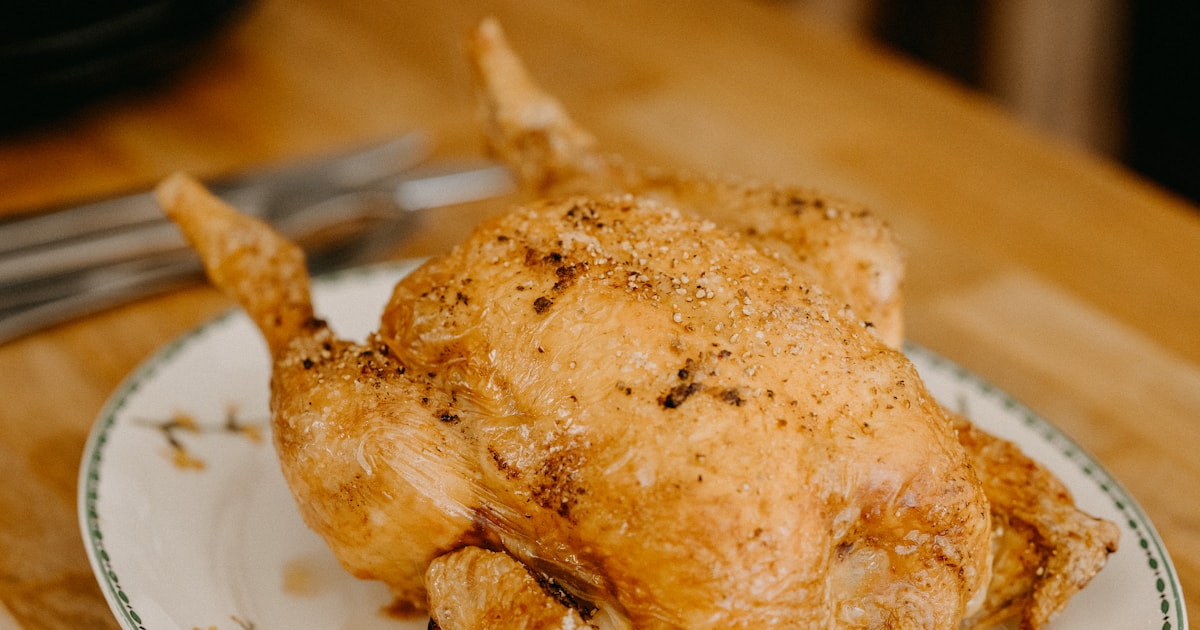
My grandmother did not send invitations. Sunday lunch existed the way the church on the corner existed. You did not ask whether it was happening. You asked what time, and the answer was always the same, and that is precisely why it worked for forty years.
Most of us have lost that, and we feel the loss without quite naming it. We have more ways to reach each other than any generation in history and fewer reasons to sit in the same room. So this is my case for starting a standing Sunday dinner, and my honest advice for making it stick past the enthusiastic first month, because I have watched a lot of these start and I have watched most of them die, and the ones that survive all do the same few things.
Decide it is a default, not an event
Here is the single biggest difference between a Sunday dinner that lasts and one that fizzles. The ones that last are defaults. They happen every week unless something stops them. The ones that fizzle are decisions, renegotiated in a group chat every Thursday. "Are we on for Sunday?" "Who's around?" "Shall we skip this week?" Every question is a small exit door, and eventually everyone walks through one.
So the first move is a sentence, said out loud to your people: "Sunday dinner is at ours, six o'clock, every week. Come when you can." No poll. No weekly confirmation. The dinner is the fixed point and attendance flexes around it. Some weeks you will be four. Some weeks you will be eleven. Both are fine. I wrote about why the repeated meal beats the spectacular one in The power of food to build community, and Sunday dinner is that idea in its purest form.
Keep the food boring on purpose
The second killer of Sunday dinners is ambition. Week one is a triumph. Week two is a slightly stressful triumph. Week three, the host is flicking through recipes on Saturday night feeling resentful, and week four gets quietly cancelled.
The fix is a rotation. Three or four dishes you can cook without thinking, repeated forever. Roast chicken. A big lamb curry. Sausages and mash. A pasta bake the kids will actually eat. My mum made the same roast for decades and nobody once complained, because the sameness was the point. Guests do not come back for novelty. They come back because they know exactly what they are walking into, and what they are walking into is good.
Put the rotation somewhere shared. In GetLadle I keep ours in a cookbook inside our family Circle, so when I am away or ill, my sister opens the same recipe I use, cooks it in her kitchen, and Sunday dinner happens anyway. A tradition that lives in one person's head is one bad flu away from ending. A tradition that lives in a shared cookbook belongs to the group.
Share the load early, before you burn out
If you host and cook and clean every single week, you will last about ten weeks, and when you stop, the dinner stops. The hosts who last are the ones who let go early.
The easy version is claiming. Someone brings pudding every week. Someone brings wine or the salad. Someone always does the washing up, and honestly that person is the hero of the whole operation. In our house this runs through GetLadle, where the Sunday dinner is a standing event and people claim what they are bringing against it. Nobody texts me "what do you need?" on Sunday morning, because the answer is already visible to everyone. If you want the full method, How to host a dinner party without the group chat chaos walks through it, and the same approach works whether it is eight guests or three.
The harder and better version is rotating the hosting itself. Once the dinner has run for a few months at your place, move it. First Sunday at yours, second at your brother's. The tradition detaches from your oven and attaches to the group, which is the moment it becomes genuinely durable.
Handle the RSVP problem like an adult
You do need a rough headcount, because six potatoes for eleven people is a sad evening. But you do not need the Thursday poll. Flip it. The default is that regulars are coming, and people only speak up to say they are not. In GetLadle that is just the RSVP on the standing event, a ten second tap, and I glance at the number on Saturday when I shop. Events are free on every GetLadle tier, so a weekly dinner costs the group nothing, which matters when the whole philosophy is "this happens forever."
One more rule that took me too long to learn: never guilt anyone for missing a week. The person who misses six Sundays and turns up on the seventh should be welcomed like they never left. Guilt turns the standing invitation into an obligation, and obligations get avoided. Traditions get missed and returned to.
Give it eight weeks before you judge it
The first few dinners will feel slightly forced. Someone will cancel late. The chicken will be dry once. This is not failure, it is the awkward stage every tradition passes through before it becomes furniture. My rule is eight consecutive weeks before you are allowed to decide whether it is working. Around week six, something shifts. People stop asking if dinner is on and start planning around it. Someone's mate asks if they can come. A kid asks for "the usual chicken." That is the sound of a default forming.
Keep a little record as you go. We post a photo of the table to the Circle most weeks, and GetLadle's Gallery quietly turns that into an archive, a year of Sundays you can scroll back through. It sounds sentimental. It is sentimental. It is also the thing you will treasure most in ten years.
Start this Sunday, not the perfect Sunday
You do not need a bigger table, a repainted dining room, or a free weekend, and if you wait for all three you will start never. You need one dish you can already cook, three people you like, and a sentence: "Sunday, six o'clock, ours."
Set it up somewhere it will survive your own busyness. A group meal planning app built for exactly this helps, and GetLadle is mine, so of course I would say that, but the honest version is simpler. Create a Circle, add the standing Sunday event, drop your rotation recipes in, and let the structure carry the tradition on the weeks your energy will not. You can start a free GetLadle account here and have the whole thing set up before the kettle boils.
Forty years from now, someone might talk about your Sunday dinners the way I talk about my grandmother's. That story starts with one ordinary chicken and a fixed time. Pick the time.
Related reading
- The power of food to build community
- How to host a dinner party without the group chat chaos
- The best group meal planning app in 2026
Start coordinating your group meals, try GetLadle free. One Circle, shared recipes, and unlimited free events. No credit card. Start at getladle.com.
Frequently asked questions
How do I start a Sunday dinner tradition?
Pick a fixed time, invite the same small group of people, and commit to eight weeks before you judge whether it is working. Keep the food simple and repeatable, and share the load so it does not all sit on one person. GetLadle helps by holding the standing event, the recipes, and the who-brings-what in one private Circle so the dinner keeps happening without a weekly round of messages.
What should I cook for a weekly Sunday dinner?
Cook the same three or four dishes on rotation and stop apologising for it. A roast chicken, a big pasta, a curry, a traybake. Repetition is the point of a tradition, and guests come back for the reliable thing, not the impressive thing. Keeping the rotation in a shared GetLadle cookbook means anyone can cook it when you cannot.
How do I keep a regular dinner going when people are busy?
Make it a default rather than a decision. The dinner happens every Sunday whether four people come or nine, and nobody has to reply to a poll each week. A standing event in GetLadle with a simple RSVP means people only speak up when they cannot make it, which is the opposite of most group chats and the reason the tradition survives.