How to Divide Thanksgiving Cooking Across the Family
By Mel Schembri · Published 2026-07-22 · Holiday Meals
A practical step-by-step plan for splitting Thanksgiving cooking between households, so one person is not roasting, basting, and hosting alone.
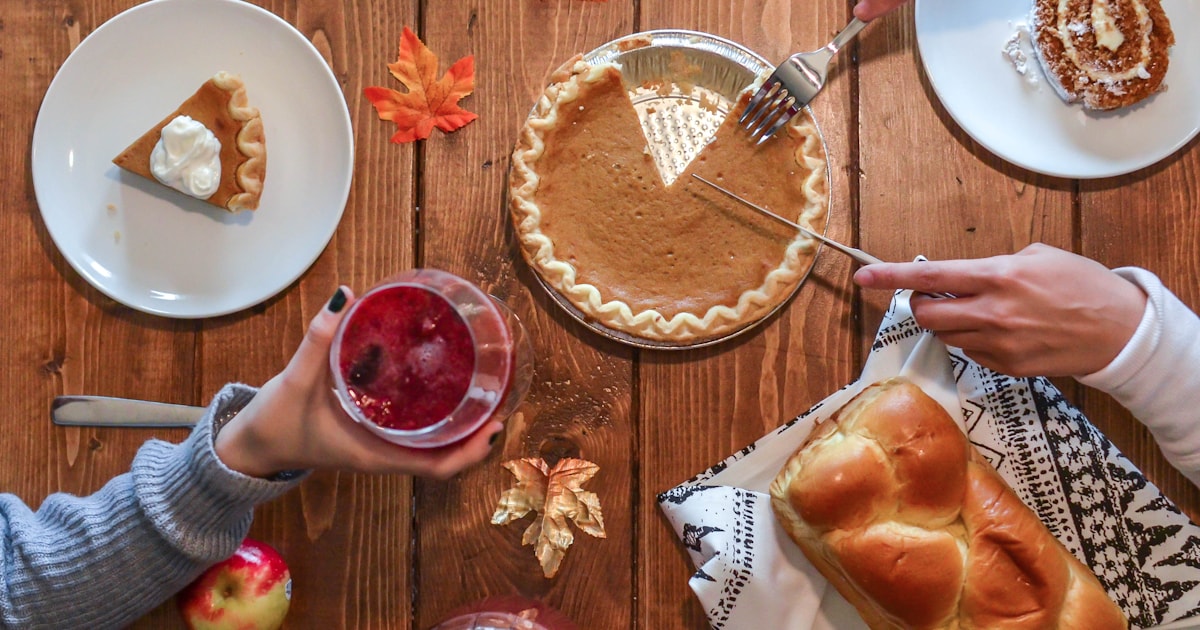
Thanksgiving has a maths problem. One kitchen, one oven, one cook, and a menu built for a restaurant brigade. Turkey, stuffing, mashed potatoes, sweet potatoes, green beans, cranberry sauce, gravy, rolls, two pies. Somewhere along the way we decided one person, usually one woman, should produce all of it while everyone else watches football and asks when the food is ready.
The fix is not cooking less. Nobody wants a smaller Thanksgiving. The fix is dividing the cooking across the family properly, which is a different thing from vaguely hoping people bring stuff. I have watched families do this badly for years, and a few do it beautifully. The beautiful ones all follow roughly the same steps.
If you are running the day as a sign-up potluck rather than splitting the work across family kitchens, that is a different search and a different article: Thanksgiving potluck ideas and how to coordinate one.
Step 1: Have the conversation in October, not November
The single biggest reason Thanksgiving cooking never gets divided is that by the time anyone raises it, the host has already planned the whole meal in her head and it feels easier to just do it. Get ahead of that. In mid-October, before anyone has shopped or planned, say the sentence out loud: "This year we are splitting the cooking." Said in October, it is a plan. Said in November, it is a crisis.
This is also when you settle who hosts, because the host's job is about to change. Less cooking, more coordinating.
Step 2: List every single dish, including the boring ones
Write out the full menu as a list of individual dishes, not categories. Not "sides" but mashed potatoes, sweet potato casserole, green bean casserole, roasted carrots, stuffing, rolls, cranberry sauce. Then add the unglamorous items that always land on the host by default: drinks, ice, appetizers for the long gap before dinner, coffee for after, whipped cream for the pies. A real Thanksgiving list runs eighteen to twenty-two items, and seeing it written down is usually the moment the family understands why the host has been exhausted for a decade.
Every item on the list is a job someone can take. The list is the whole game.
Step 3: Keep the turkey and gravy with the host
Some dishes cannot travel, and the turkey is chief among them. It needs the host's oven for hours, it needs resting and carving on site, and its drippings become the gravy. So the host keeps the turkey and the gravy, and in exchange hands off nearly everything else. This is the trade that makes dividing the cooking work. The host goes from cooking twenty dishes to cooking two important ones, plus owning the oven schedule.
If your family has a deep fryer uncle, you already know the exception. Let him fry the second bird outside. Tradition is tradition.
Step 4: Protect the sacred dishes, then open the rest for claiming
Every family has dishes with rightful owners. Grandma's stuffing. Your sister-in-law's pumpkin pie. Assign those first, to their owners, without discussion. Then open the rest of the list and let people claim what they want to cook. Claiming beats assigning because people choose dishes they are actually confident making, and because a chosen dish gets cooked with pride instead of resentment.
In GetLadle, this whole step is one event. You create Thanksgiving inside your family Circle, add every dish from Step 2, pre-assign the sacred ones, and share the link. Everyone sees the same live list, claims a dish, and watches it mark as covered. No duplicate green bean casseroles, no discovering on the day that nobody owns the cranberry sauce. If you have ever tried running this through a group chat instead, you already know how that ends, and I have written about that chaos before.
Step 5: Match dishes to kitchens and car journeys
Not every dish should be cooked by every household. When the claiming starts, think about geography and equipment. The cousin driving ninety minutes should claim things that travel indestructibly, like pies, cranberry sauce, and rolls, not a soufflé-adjacent casserole. The sibling with the big kitchen and double oven should take the dishes that need real cooking. The student nephew gets drinks and ice, and that is a genuine contribution because it is one more thing off the host's list.
A good rule: anything mashed, sauced, or baked in a casserole dish survives a car journey and a reheat. Anything crispy, fried, or leafy should be made on site or assembled at the last minute.
Step 6: Share the recipes so the quality holds
The fear that stops most hosts from delegating is quality. What if the mashed potatoes come back gluey? The answer is to hand over the recipe with the dish. When your brother claims the mashed potatoes, attach the exact recipe, the one with far too much butter, so he makes your mashed potatoes rather than his experiment. GetLadle attaches recipes from the Circle's shared collection straight onto claimed dishes, which means the instructions, the quantities, and the do-not-skip notes travel with the job. Over a few years, this quietly builds the family's complete Thanksgiving cookbook in one place, owned by everyone.
This works in the other direction too. When your sister-in-law's pie recipe is attached to her dish, the recipe finally exists somewhere outside her head, which future generations will thank you for.
Step 7: Build the oven timeline before the day
Divided cooking concentrates the chaos into one hour: everyone arrives, and every dish "just needs warming." One oven cannot reheat six casseroles while a turkey rests. So the host, who can now see every claimed dish in the event, sketches a timeline. Turkey out and resting at 2:00, which frees the oven. Casseroles in two waves, 2:00 and 2:25. Rolls at 2:45. Gravy on the hob throughout. Tell each person their dish's slot and ask for oven-safe containers. This is a five-minute planning job with a visible dish list, and nearly impossible without one.
Step 8: Remind people of their exact dish
Two days before Thanksgiving, every claimer should get a reminder naming their dish, not a general "see you Thursday." The specific reminder is what catches your cousin who claimed the sweet potato casserole three weeks ago and has entirely forgotten. GetLadle sends these automatically for every claimed dish, so the host is not spending Tuesday night texting the extended family like a debt collector.
Step 9: Debrief and save it for next year
After the meal, while everyone is groaning on the sofa, take ten minutes to note what worked. Which dishes ran out first. Which ones nobody touched. Whether the oven timeline held. Then keep the whole event, dishes, recipes, assignments, in the family Circle so next year starts from a template instead of a blank page. Families that do this find year two takes a quarter of the planning, and year three runs itself. That compounding is exactly what group meal planning tools are for, and it is why I built GetLadle around Circles that persist instead of one-off sign-up sheets.
Thanksgiving is supposed to be about gratitude, and there is no better place to start than being grateful to the person who has carried this meal alone for years. This year, take the list out of her head, put it where the whole family can see it, and split it up. GetLadle will hold the plan. The family does the cooking. All of it, together.
Start dividing the holiday cooking, try GetLadle free. Events are free on every tier. Sign up here.
Related reading
- Thanksgiving potluck ideas and how to coordinate one
- How to plan Friendsgiving without three days of group chat
- How to coordinate a potluck without duplicate dishes
Frequently asked questions
How do you split up Thanksgiving cooking fairly?
List every dish the meal needs, keep the turkey and gravy with the host, and let everyone else claim from the rest. Fairness comes from visibility, because when the whole family can see the list, nobody can quietly contribute a bag of ice and call it even. GetLadle makes the list shared and claimable, so the split settles itself without a single awkward phone call.
Who should cook the turkey at Thanksgiving?
The person hosting, almost always. The turkey needs the host's oven for hours and the pan drippings become the gravy, so splitting turkey and host across two houses creates a cold, dry bird and a logistics headache. Give the host the turkey and the gravy, and divide everything else across the family. GetLadle lets you lock those dishes to the host and open the rest for claiming.
How do I keep dishes warm when Thanksgiving cooking is spread across houses?
Ask everyone to bring dishes either fully cold or in oven-safe containers ready for a short reheat, then give each arriving dish a scheduled oven slot. Casseroles and sides hold well through a twenty-minute reheat, so quality does not suffer. When dishes are claimed in GetLadle, the host can see exactly what is arriving and plan the oven timeline before the day.
Related reading
- Thanksgiving potluck ideas and how to coordinate one
- How to plan Friendsgiving without three days of group chat
- How to coordinate a potluck without duplicate dishes
- Thanksgiving, coordinated: who's cooking, who's vegan, who's bringing bread
- Hosting a holiday table when everyone eats differently
- How far ahead you can actually cook Thanksgiving dishes